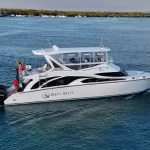
Logistical precision is the secret to a stress-free vacation in the Galapagos Islands. The public speedboat network that connects the inhabited islands operates on a strict, synchronized timetable dictated by the local maritime authorities. Speedboats depart only twice a day: early in the morning (typically between 06:00 AM and 07:00 AM) and mid-afternoon (between 14:00 PM and 15:00 PM). Choosing which departure time to book on GalaFerry is not merely a matter of personal preference or sleep schedules; it profoundly affects your physical comfort during the two-hour crossing and dictates how much of your vacation day you can actually utilize.
Select Your Galapagos Inter-Island Ferry Route
Santa Cruz ➜ San Cristóbal
⏱ Duration: Approx. 2h 30min
07:00 AM
03:00 PM
San Cristóbal ➜ Santa Cruz
⏱ Duration: Approx. 2h 30min
07:00 AM
03:00 PM
Santa Cruz ➜ Isabela
⏱ Duration: Approx. 2h 15min
07:00 AM
03:00 PM
Isabela ➜ Santa Cruz
⏱ Duration: Approx. 2h 15min
06:00 AM
03:00 PM
Santa Cruz ➜ Floreana
⏱ Duration: Approx. 2h
08:00 AM
Floreana ➜ Santa Cruz
⏱ Duration: Approx. 2h
03:00 PM
Please review our Refund & Cancellation Policy before booking.
The Morning Crossings: Calm Seas and Early Starts
The morning ferry schedule is almost universally recommended by local guides and seasoned independent travelers. From an oceanographic perspective, the sea surface is at its calmest during the early morning hours because local coastal winds have not yet picked up. This results in a much smoother, flatter ride across the open channels, vastly reducing the instances of severe motion sickness among passengers. Furthermore, taking the morning ferry means you arrive at your destination island around 09:00 AM. This opens up your entire day, allowing you to check into your accommodation early, explore local beaches like Tortuga Bay or Concha de Perla, or even join a last-minute daily snorkeling excursion. The obvious drawback is the intense wake-up call, requiring you to be at the municipal pier by 05:30 AM for mandatory baggage inspections. For more detailed information on routing and connections, check out our comprehensive guide on galapagos ferries inter island routes and practical info.
The Afternoon Crossings: Relaxed Mornings with Choppier Waters
Conversely, selecting the afternoon ferry schedule appeals to travelers who detest waking up before dawn. It allows for a slow, relaxing morning where you can enjoy a full breakfast, squeeze in one last swim, and complete your hotel check-out without any stress. However, the trade-off on the water is severe. As the tropical sun warms the atmosphere throughout the morning, oceanic wind patterns accelerate. By 14:00 PM, the sea channels between the islands become considerably choppier, creating larger swells and a far rougher ride. If you are prone to motion sickness during these later hours, you can consult our essential seasickness galapagos ferry tips to prepare for the crossing. Additionally, arriving at your new destination around 16:30 PM means the day is effectively over, and most local businesses and tour operators will already be closed for the evening.
Schedule Comparison Breakdown
| Travel Variable | Morning Departure (06:30 AM) | Afternoon Departure (14:00 PM) |
|---|---|---|
| Ocean Smoothness | Generally calm, minimal wind interference. | Choppy and rough due to afternoon winds. |
| Itinerary Value | Saves the day. Arrive by 09:00 AM for activities. | Loses the afternoon. Arrive close to sunset. |
| Physical Comfort | Cooler temperatures, less boat bouncing. | Intense sun heat, heavy bouncing on waves. |
| Logistical Effort | Requires a 05:30 AM wake-up and early check-out. | Relaxed schedule, easy afternoon transfer. |
Ultimately, travelers must weigh their aversion to early morning alarms against their tolerance for rough oceanic travel. For a seamless booking experience and to view manual verification for both slots, you can easily read how to safely book a ferry online in galapagos and secure your tickets today through GalaFerry.
“`